Best Self-Help Books to Read in 2026
If you only read one self-help book this year, make it Atomic Habits. James Clear turns the vague advice to "build better habits" into a concrete, repeatable system, and that practicality is exactly what separates a book you act on from one you highlight and forget.
But the right self-help book depends on what you're actually trying to fix, your money mindset, your focus, your resilience, or your sense of purpose. All six here have earned their reputations rather than coasting on hype; I've picked them for genuine usefulness, honesty, and how well the ideas stick.
Who should buy
- You want practical, applicable advice you can act on, not vague motivational filler.
- You're trying to fix a specific thing, habits, focus, money, or mindset.
- You'll actually do the exercises or apply the ideas rather than just reading passively.
Who shouldn't buy
- You want a quick motivational hit; a good self-help book asks you to change behaviour, not just feel good.
- You're looking for an academic, heavily-cited text; these are practical rather than scholarly.
- You already apply these principles, you may find the core ideas familiar rather than new.
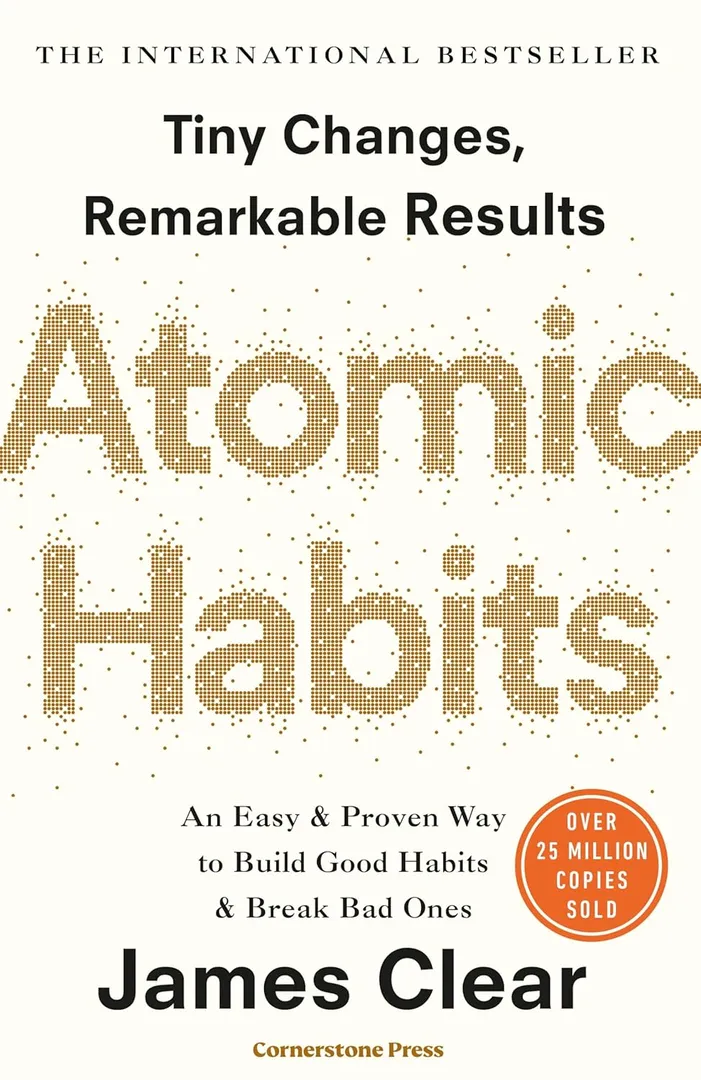
Atomic Habits
Atomic Habits is the most useful self-help book most people will ever read. James Clear breaks habit change into small, mechanical steps, cue, craving, response, reward, and gives you concrete tactics like habit stacking and environment design that you can apply the same afternoon. It's clear, jargon-free, and relentlessly practical, which is why it's the default recommendation here.
If you've read widely on habits, some ideas will feel familiar, and the book is more about mechanics than deep psychology. But for turning good intentions into a system that actually runs, nothing here is more immediately useful.
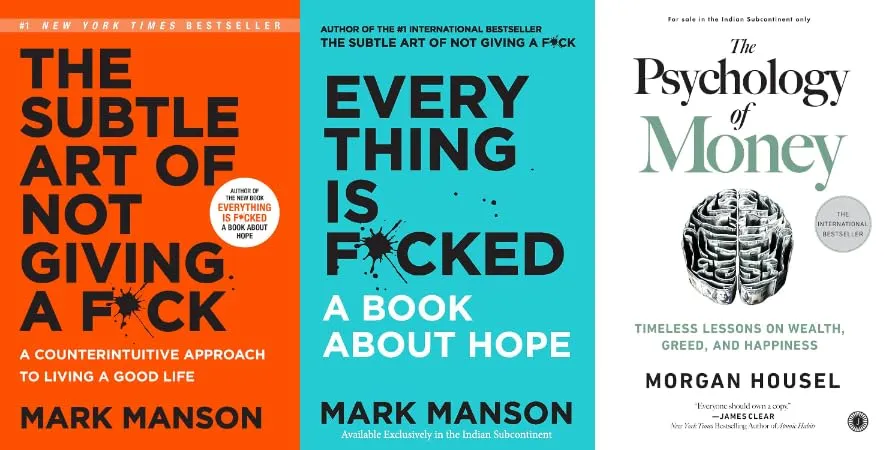
The Psychology of Money
The Psychology of Money is the book that quietly changes how you handle money. Morgan Housel argues, through short and memorable stories, that doing well with money is about behaviour and temperament rather than intelligence or spreadsheets. It's an easy, wise read that leaves you calmer and more sensible about saving, spending, and risk.
It's about mindset rather than a step-by-step investing manual, so you won't finish it knowing which fund to buy. But for fixing the way you think about money, which matters more than any tip, it's superb.
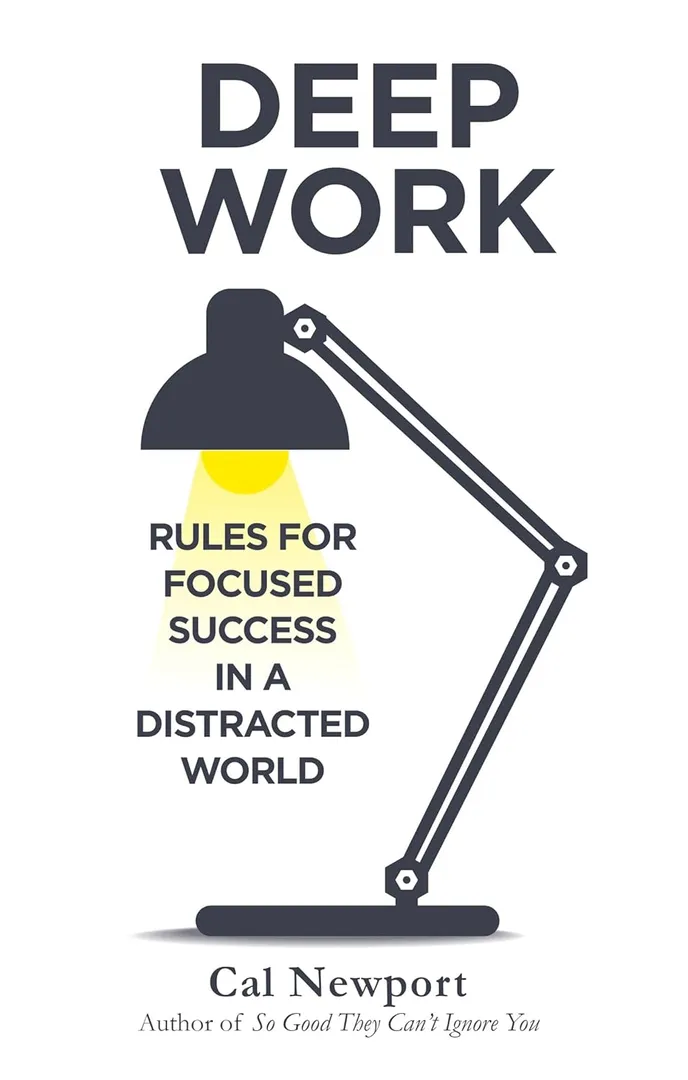
Deep Work
Deep Work is the pick for anyone drowning in distraction. Cal Newport makes a sharp case that the ability to focus without interruption is rare and valuable, then lays out practical routines to protect and train it. If your attention feels shredded by notifications and shallow busywork, this book gives you both the why and the how to reclaim it.
Newport's ideal of long, uninterrupted focus blocks can feel hard to apply in a chaotic job or home, and the tone is fairly serious. But for reclaiming your concentration in a distracted world, it's the clearest guide there is.
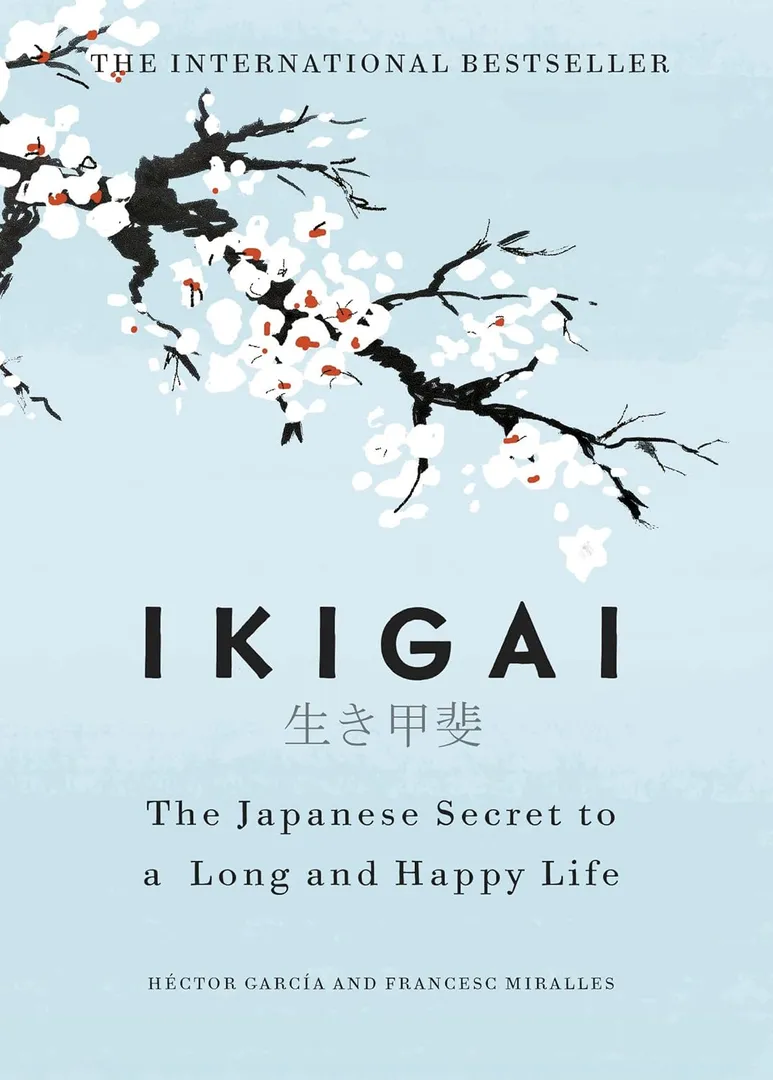
Ikigai
Ikigai is the gentle, calming entry to the genre. It explores the Japanese idea of a reason for being through the habits of long-lived communities, and reads more like a soothing meditation than a checklist. If the pushy, hustle-heavy tone of most self-help puts you off, this quieter book on purpose and contentment is a lovely change of pace.
It's light on hard, actionable steps and heavier on reflection, so goal-driven readers may want more substance. But for a calm, thoughtful read about meaning and slowing down, Ikigai is a welcome antidote.
The Subtle Art of Not Giving a Fck
Mark Manson's book is the blunt, funny counterweight to relentless positivity. Its real message is about choosing what to care about and accepting that struggle is part of a good life, delivered with enough humour and swearing to keep you turning pages. For readers tired of syrupy motivation, this honesty lands hard.
The deliberately crude style isn't for everyone, and beneath the provocation the ideas are simpler than the length suggests. But if you want a self-help book that cuts through the fluff and makes you laugh, this one does.
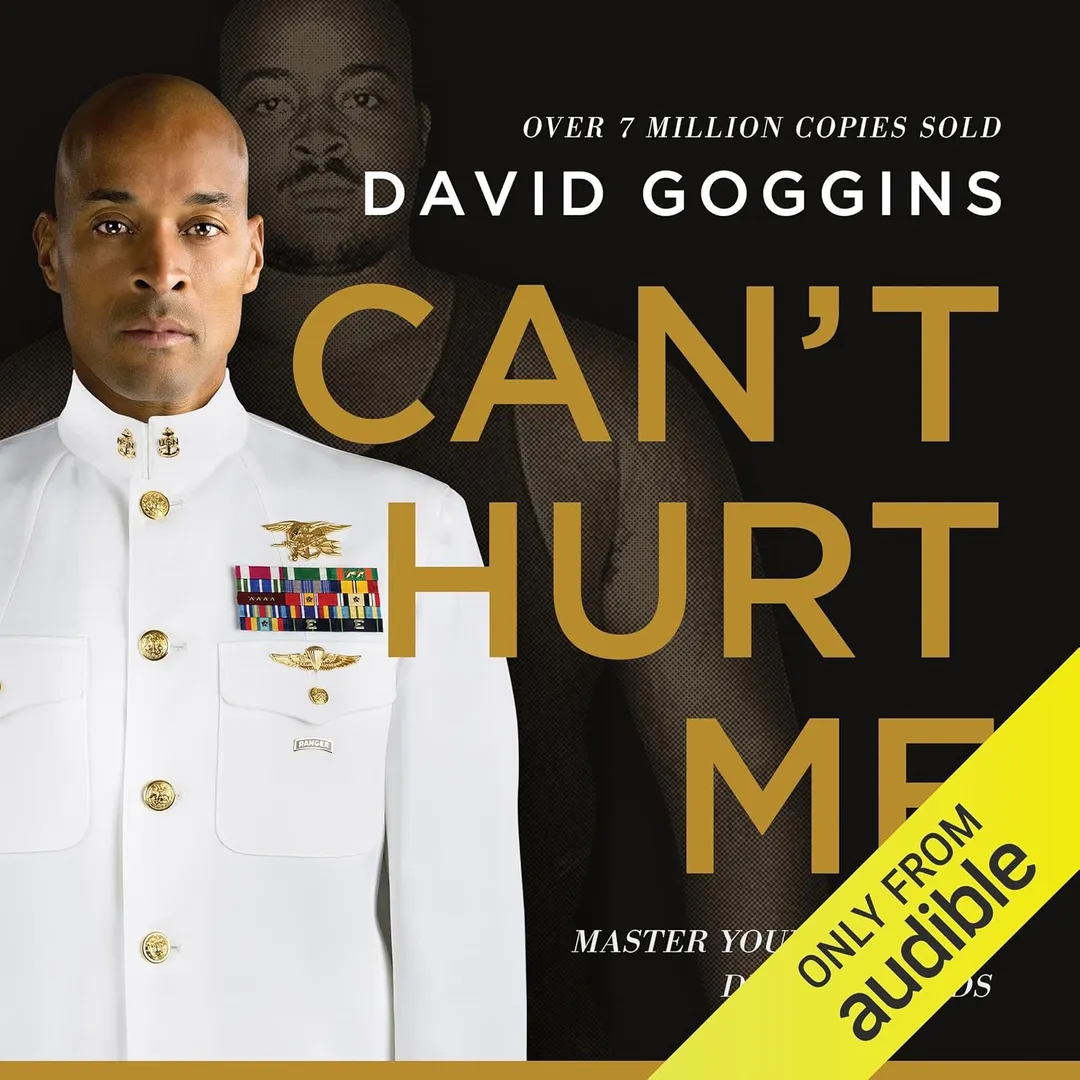
Cant Hurt Me
Can't Hurt Me is the pick when you need raw fuel for toughness. David Goggins's account of pushing through extreme hardship is intense and unfiltered, and the challenges he sets at the end of each chapter turn it from a memoir into a workout for your mental resilience. For anyone who wants a hard kick rather than gentle encouragement, it delivers.
The relentless, punishing intensity can feel extreme and won't suit everyone, and its one-size-fits-all grit isn't a nuanced blueprint. But if you respond to blunt, high-octane motivation and want to build resilience, few books hit harder.
How to choose
Pick by the problem you're actually trying to solve, because a self-help book only works when it matches your real need. Want to change your behaviour and routines? Start with Atomic Habits. Struggling with focus? Deep Work. Anxious or careless about money? The Psychology of Money. Buying the most-hyped title rather than the one that fits your situation is why so many go unread.
Then be honest about the tone you'll actually finish. Some readers need the blunt, profane push of Manson or Goggins; others switch off at the first swear word and want the calm of Ikigai. And remember these books only pay off if you apply them, read one, do what it says for a month, then pick up the next, rather than hoarding a shelf of unread inspiration.
The verdict
For most people, Atomic Habits is the single most useful self-help book to start with. If your struggle is money reach for The Psychology of Money, and if it's focus, Deep Work is the one.