Best Business Books to Read in 2026
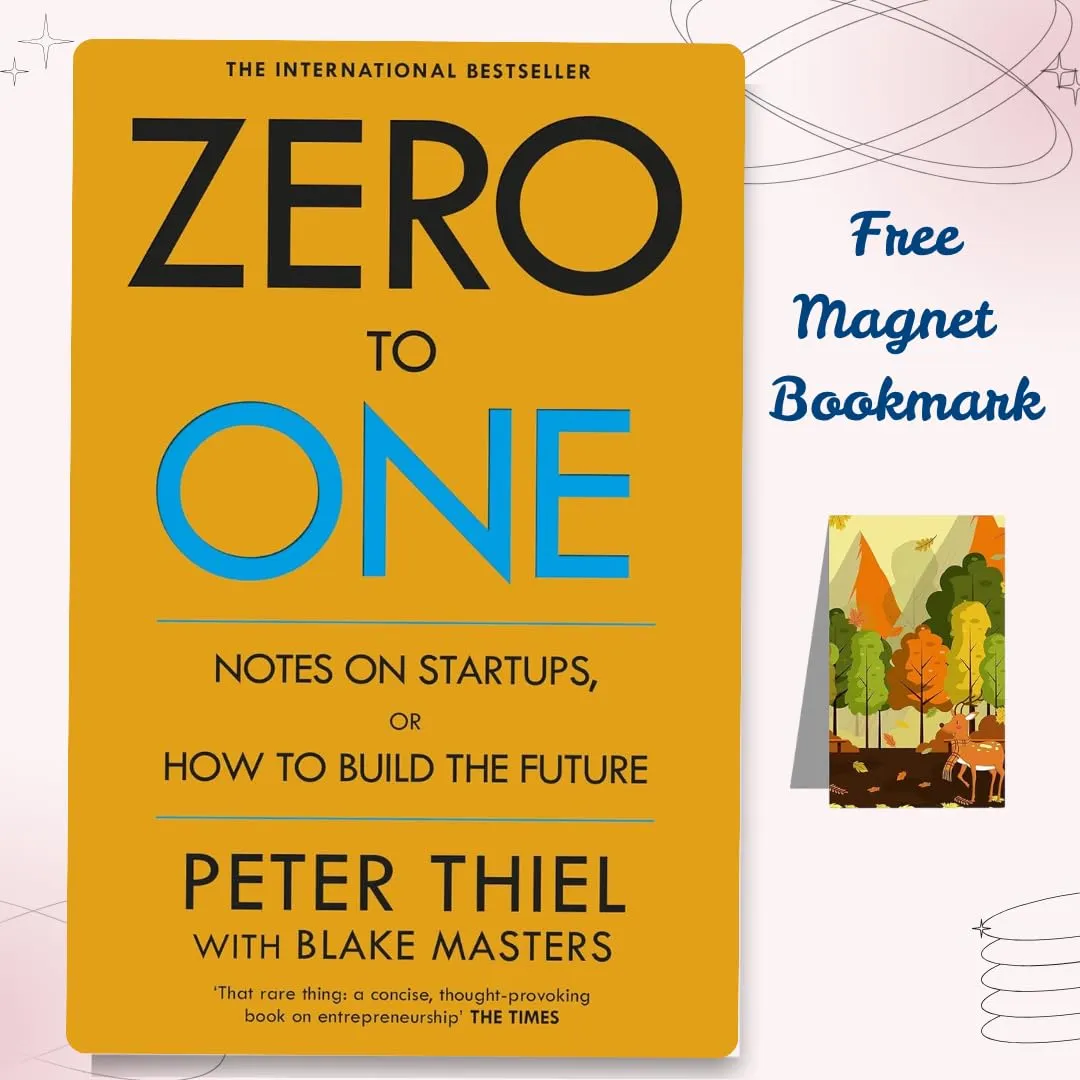
If you read only one business book this year, make it Zero to One by Peter Thiel. It doesn't hand you tactics so much as rewire how you think about building something new, why monopolies beat competition, why the best ideas look strange at first, and why "going from zero to one" matters more than copying what already works. It's short, sharp, and it sticks with you.
The right book depends on where you are. Founders, investors, and people just trying to get a grip on money each need something different, so I've picked six that have genuinely earned their reputation rather than the recycled airport-bookshop filler. Below is who each one is really for and the trade-off it asks of you.
Who should buy
- You want ideas that change how you think, not just a list of tactics.
- You're building, investing, or trying to understand how companies really work.
- You'd rather read six books that matter than skim thirty that don't.
Who shouldn't buy
- You want step-by-step how-to guides rather than principles and stories.
- You've already read the classics and want only the newest releases.
- You dislike opinionated authors and prefer strictly neutral, academic prose.
Zero to One by Peter Thiel
Zero to One is the book I'd press into any founder's hands first. Thiel argues that real progress comes from creating something new rather than copying what works, and he makes the case with a clarity that reframes how you see startups, monopolies, and competition. It's brief, provocative, and dense with ideas you'll keep arguing with.
It's more philosophy than playbook, so if you want a checklist to execute tomorrow you'll leave wanting steps. And Thiel's views are deliberately contrarian, which won't sit right with everyone. But for changing how you think about building, nothing here matches it.
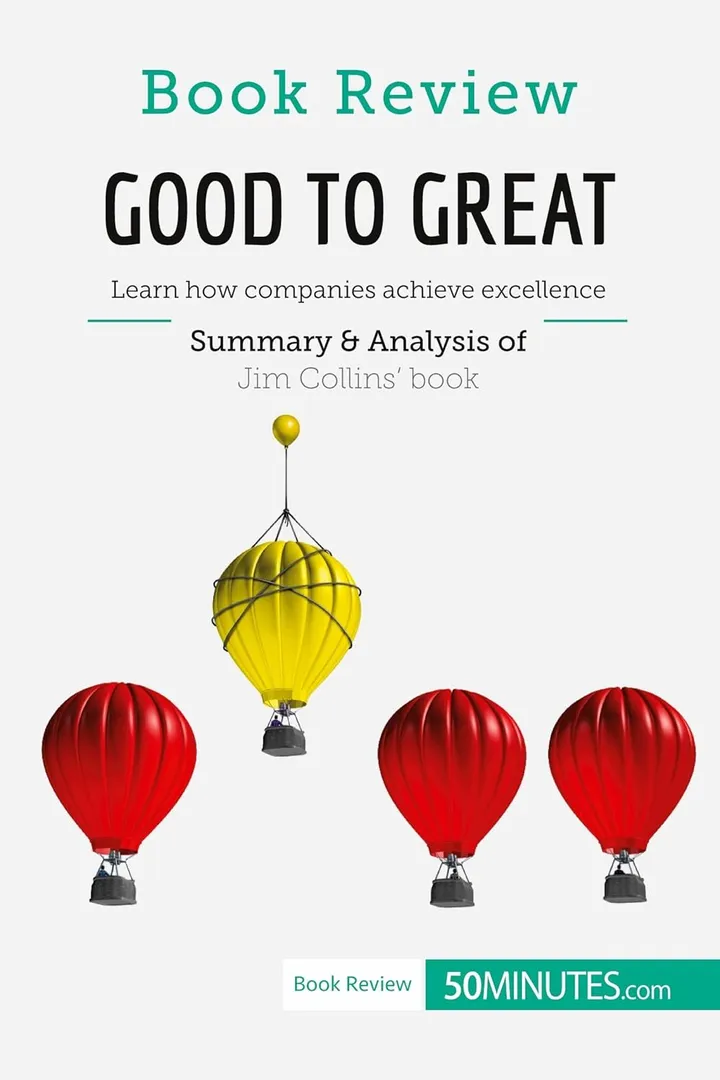
Good to Great by Jim Collins
Good to Great is the research-backed answer to why some companies endure and most don't. Collins and his team studied the data for years, and the concepts that fall out, Level 5 leadership, the Hedgehog idea, getting the right people on the bus first, are memorable and genuinely useful for anyone running or building an organisation.
Some of the case-study companies have stumbled since publication, which invites fair questions about the method, and the prose can feel repetitive. But the core principles have aged far better than the examples, and they're worth internalising.
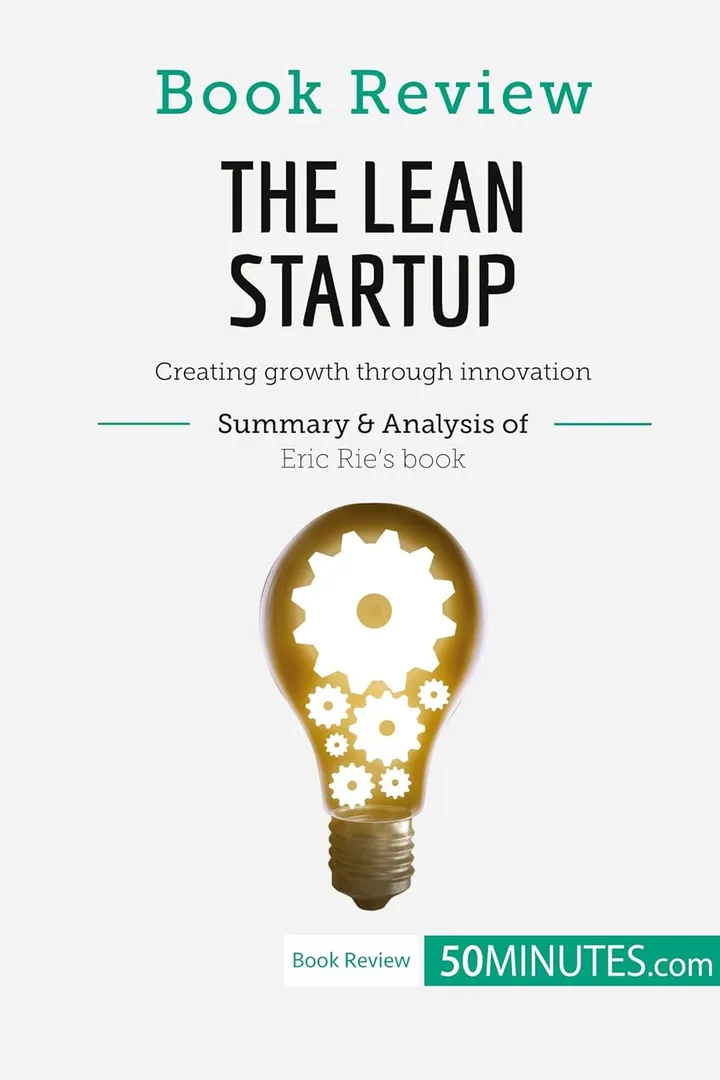
The Lean Startup by Eric Ries
The Lean Startup is the practical playbook for testing ideas without burning your runway. Its build-measure-learn loop and the idea of a minimum viable product gave a whole generation of founders a shared language for validating quickly and pivoting before it's too late. If you're actually shipping something, it's immediately applicable.
The methodology suits software and lean products better than capital-heavy or deep-tech ventures, and parts now feel like received wisdom because they've been so widely absorbed. But as a hands-on guide to not building things nobody wants, it still delivers.
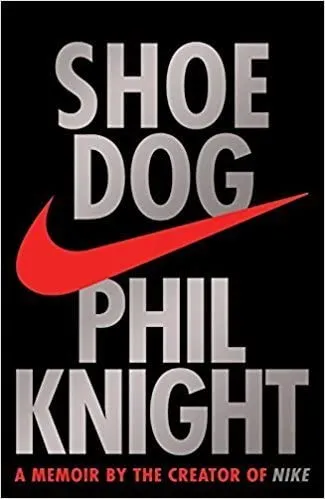
Shoe Dog by Phil Knight
Shoe Dog is the most gripping founder memoir on this list. Nike's Phil Knight tells the messy, near-bankruptcy early years with unusual honesty, and it reads like a novel, the deals, the doubts, the people who made it happen. It's the book that reminds you building a company is emotional and rarely tidy.
It's a story, not a how-to, so you won't extract a framework from it. But as motivation and a candid look at what the grind actually feels like, few business books come close.
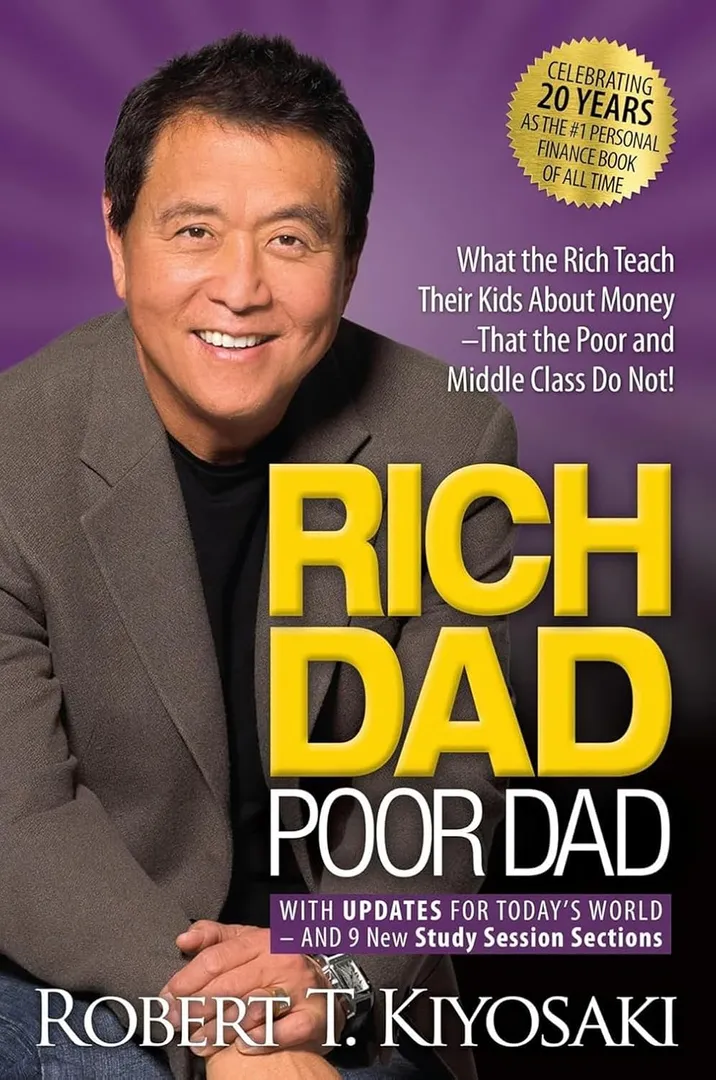
Rich Dad Poor Dad by Robert Kiyosaki
Rich Dad Poor Dad is the best entry point for anyone who wants to think differently about money. Its central lessons, the difference between assets and liabilities, why financial literacy matters more than a high salary, have nudged millions to take their finances seriously. It's simple, readable, and hard to put down once you start.
The specific advice is thin and the anecdotes are debated, so treat it as a mindset primer rather than an investing manual. But for shifting how you relate to money, it's a strong, approachable first step.
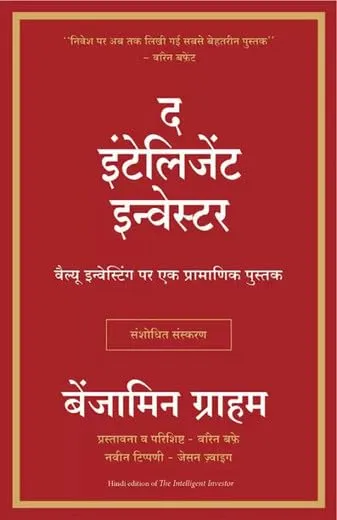
The Intelligent Investor by Benjamin Graham
The Intelligent Investor is the classic that shaped value investing, and Warren Buffett calls it the best book on the subject ever written. Graham's ideas, Mr. Market, the margin of safety, investing versus speculating, are timeless principles for anyone serious about growing wealth patiently rather than gambling on hype.
It's dense, dated in its examples, and a genuine slog if you're new to investing; the modern commentary helps but doesn't make it light reading. But if you want the bedrock philosophy behind sensible long-term investing, this is the source.
How to choose
Pick by where you actually are, not by which title sounds most impressive. If you're building a company, start with Zero to One and The Lean Startup for how to think and how to execute; if you're trying to understand money and investing, begin with Rich Dad Poor Dad and graduate to The Intelligent Investor. Buying the whole stack at once and reading none of them is the real failure mode, one book you finish beats five you shelf.
Then match the format to how you like to learn. If you want principles and frameworks, Good to Great and The Intelligent Investor reward close reading; if you learn better from story and momentum, Shoe Dog will carry you and leave you fired up. There's no shame in starting with the most readable one, the goal is to keep going, not to suffer through the densest title first.
The verdict
Start with Zero to One for how it rewires your thinking about building. Add The Lean Startup if you're shipping a product, and The Intelligent Investor once you're ready to take investing seriously, Shoe Dog is the one to read purely for the fire it lights.