Best Non-Fiction Books to Read in 2026
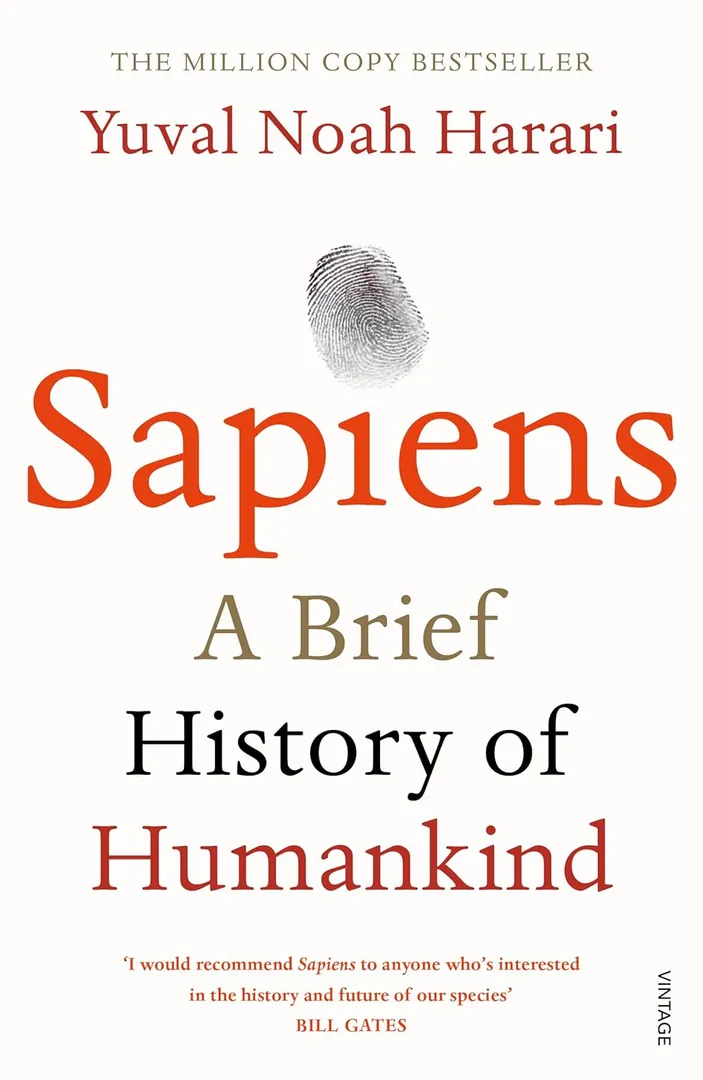
If you're going to read one non-fiction book this year, make it Sapiens. Yuval Noah Harari tells the entire story of our species in a way that's clear, provocative, and genuinely mind-expanding, and that rare mix of huge scope and readable prose is exactly what makes a non-fiction book change how you see the world.
The right pick depends on whether you want big-picture ideas, a gripping true story, or insight into how your own mind works. All six here have earned lasting reputations rather than coasting on hype; I've chosen them for the power of their ideas, how readable they are, and how much they stay with you.
Who should buy
- You want to learn something that reshapes how you see the world, history, or yourself.
- You enjoy big ideas or true stories told well, not dry textbook writing.
- You want proven, widely-loved books rather than gambling on something untested.
Who shouldn't buy
- You only read for pure escapism; some of these ask you to think hard.
- You want quick, light reads; a couple of these are dense and demand attention.
- You dislike having your assumptions challenged; the best of these deliberately do that.
Sapiens
Sapiens is the mind-expanding big-picture pick. Harari compresses the whole sweep of human history into a fast, provocative narrative that makes you rethink money, religion, nations, and what makes us human, all in wonderfully clear prose. For a single book that leaves you seeing the world differently, it's the standout.
Its broad, confident generalisations have drawn debate from specialists, so it's best read as a stimulating overview rather than the final word. But for a genuinely eye-opening, readable history of us, nothing here matches its scope.
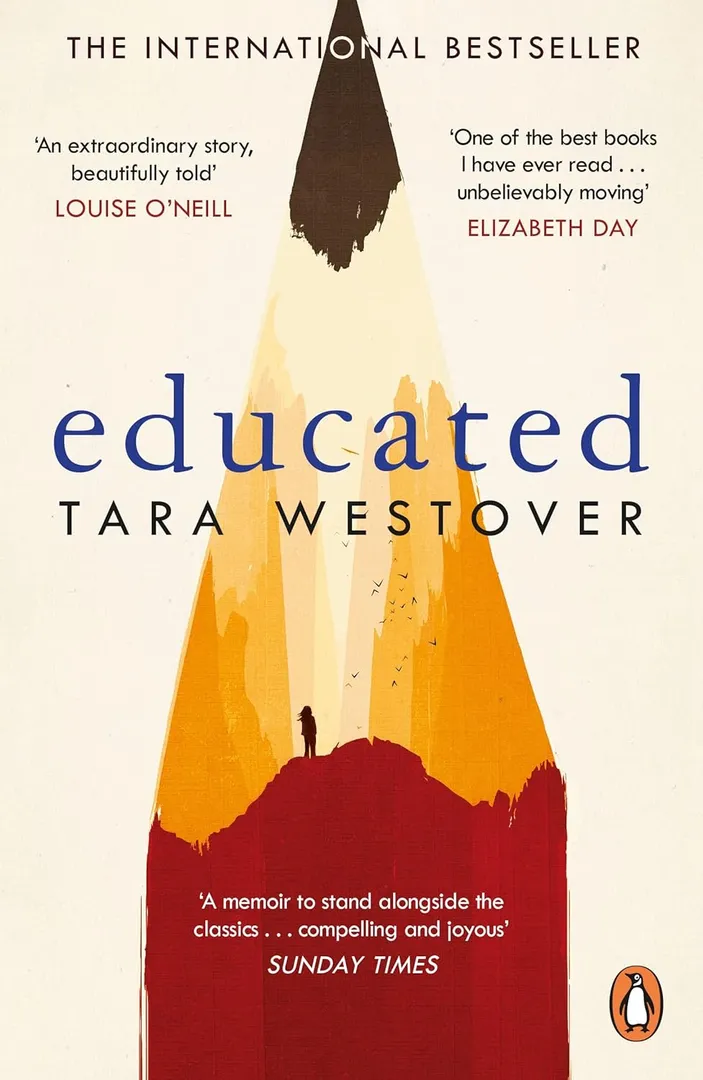
Educated
Educated is the most gripping memoir here. Tara Westover's account of growing up in a survivalist family with no formal schooling, then clawing her way to a doctorate, is by turns harrowing and inspiring and impossible to put down. For readers who want a true story that reads like a novel and moves them deeply, it's unforgettable.
Its difficult family scenes can be heavy going emotionally, so it's an intense rather than light read. But for a powerful, beautifully written true story about education and escape, Educated is the pick.
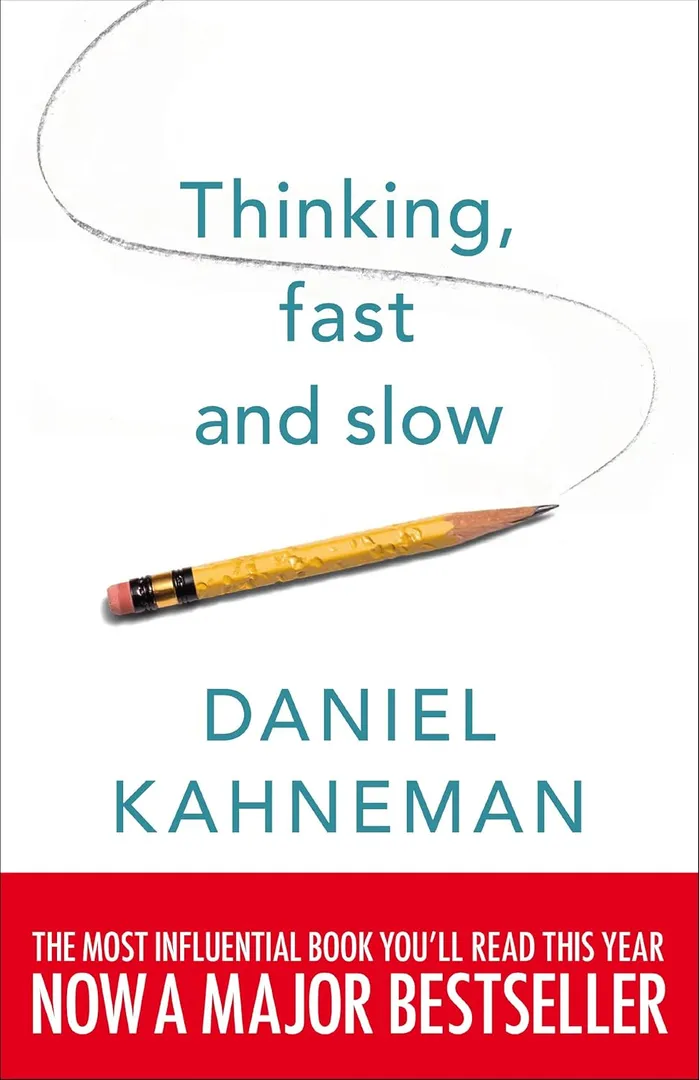
Thinking Fast and Slow
Thinking, Fast and Slow is the pick for understanding your own mind. Daniel Kahneman, drawing on a lifetime of Nobel-winning research, reveals the two systems that drive your thinking and the biases that quietly warp your judgement, which changes how you make decisions once you see them. For anyone who wants to think more clearly, it's foundational.
It's dense and demanding, more a serious study than a breezy read, so it rewards patience. But for a deep, lasting understanding of how the mind actually works and where it fools you, it's the definitive book.
Outliers
Outliers is the most accessible and entertaining pick. Malcolm Gladwell uses vivid stories to argue that success owes far more to timing, culture, and opportunity than we admit, and he makes the ideas fly by. For readers who want thought-provoking non-fiction that reads quickly and never feels like work, it's the easy, enjoyable choice.
Gladwell's neat, story-led arguments simplify complex research, so take them as engaging provocations rather than settled science. But for entertaining, accessible ideas that spark conversation, Outliers is a hugely enjoyable read.
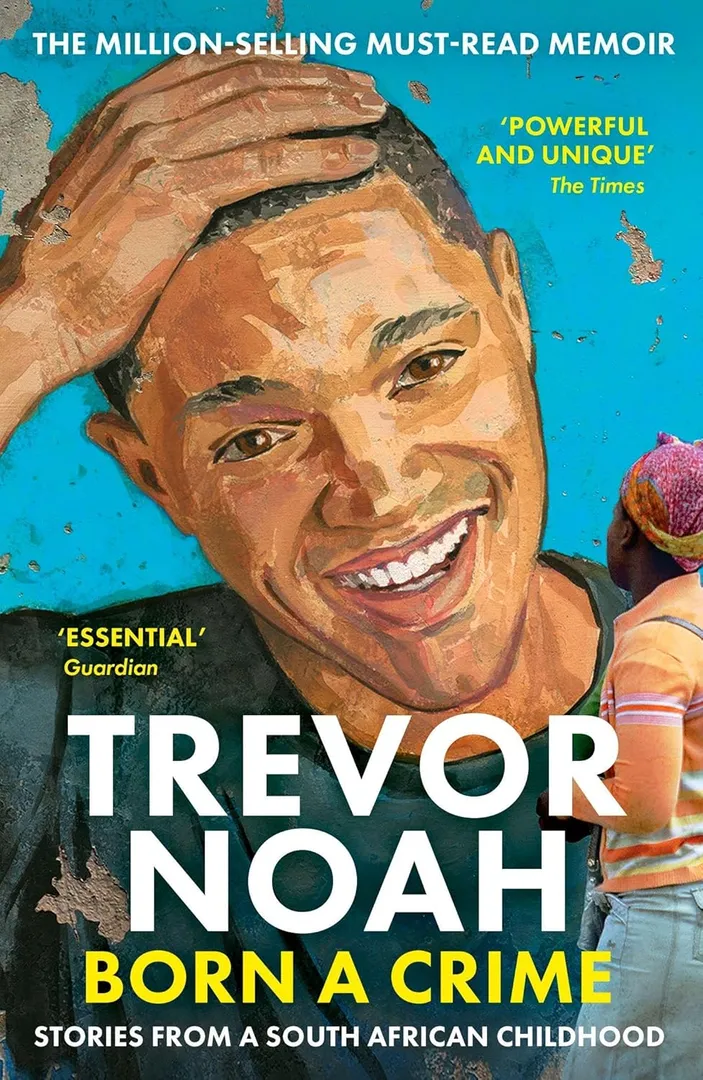
Born a Crime
Born a Crime is the warm, funny, eye-opening pick. Trevor Noah's memoir of growing up mixed-race under and after apartheid in South Africa is genuinely hilarious and deeply moving at once, delivered with his gift for storytelling. For readers who want a true story that makes them laugh, cry, and learn all at once, it's a joy.
Its episodic, story-by-story structure is less a single sweeping narrative than a collection of moments. But for warm, witty, illuminating storytelling that goes down easily, Born a Crime is wonderful.
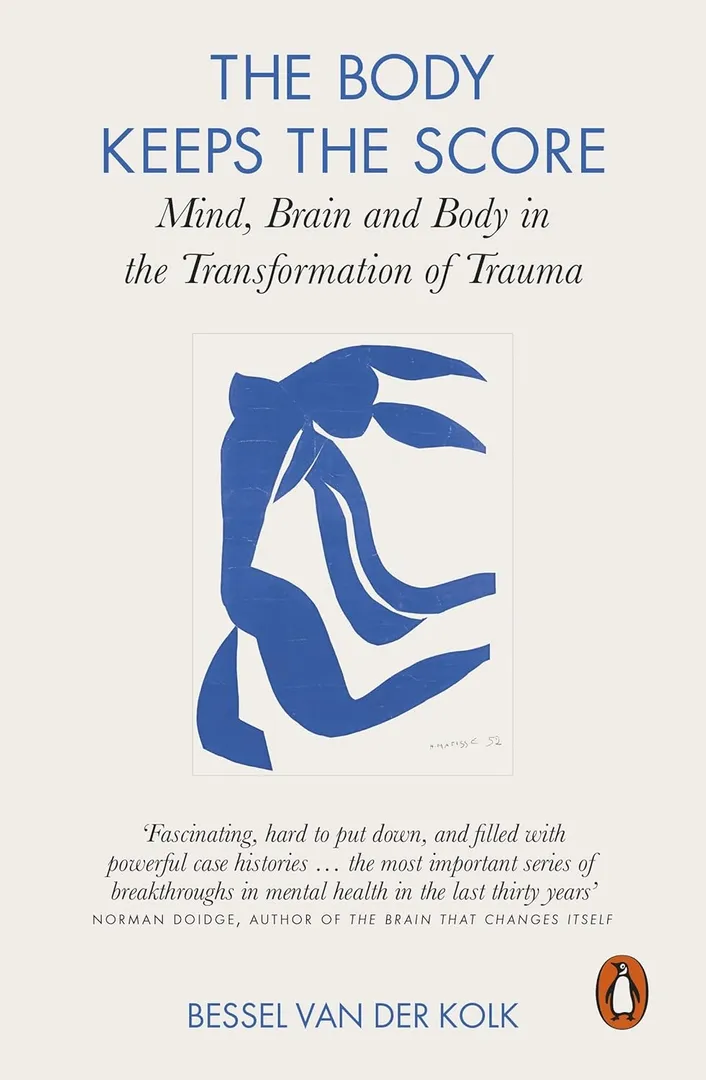
The Body Keeps the Score
The Body Keeps the Score is the pick for understanding trauma and the mind-body link. Bessel van der Kolk explains how trauma physically reshapes the brain and body and what actually helps healing, in a way that has helped countless readers understand themselves and others. For anyone touched by trauma or drawn to psychology, it's profoundly valuable.
The subject matter is heavy and some sections get clinical, so it's a serious, sometimes challenging read. But for a compassionate, authoritative book on trauma and recovery, it's the one most people recommend.
How to choose
Pick by the kind of non-fiction that actually pulls you in, because the category spans wildly different reading experiences. If you want big ideas that reframe the world, start with Sapiens or Outliers; if you love true stories told beautifully, Educated or Born a Crime; and if you want insight into the mind, Thinking, Fast and Slow or The Body Keeps the Score. Matching the book to your curiosity matters more than picking the most famous title.
Then be honest about density and mood. Some of these, Kahneman's especially, are demanding and best read slowly, while others like Gladwell's or Noah's fly by, so match the commitment to your appetite. And a few tackle heavy subjects like trauma and hardship, so if you want something lighter right now, lean toward the entertaining, story-led picks and save the intense ones for when you've the headspace.
The verdict
If you read one non-fiction book this year, make it Sapiens for its sweeping, mind-expanding scope. Choose Educated for a gripping true story, and Thinking, Fast and Slow to understand how your own mind works.