Best Honey Brands in India (2026)
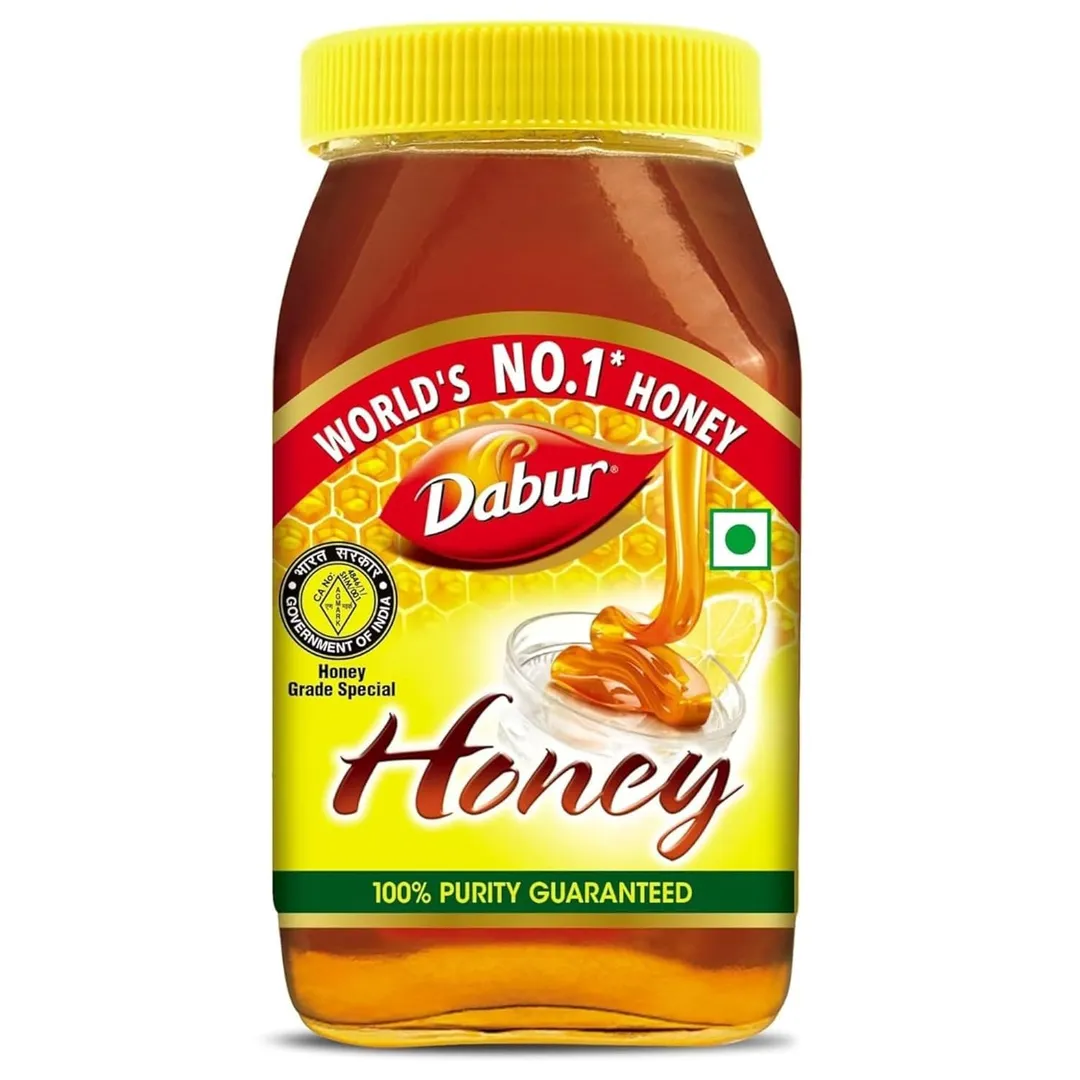
For everyday honey in your tea, toast, or cooking, Dabur Honey is the one I'd point most people toward. It's a trusted, consistent product that's sold everywhere at a fair price, and for daily use that reliability and easy availability matter more than chasing an artisanal jar you'll struggle to restock.
The right pick depends on whether you want a dependable everyday honey or a raw, organic one for its natural qualities. All six here are established, widely-sold brands rather than dubious no-names; I've weighed them on quality and taste, sourcing and purity claims, and value.
Who should buy
- You use honey daily in drinks, food, or cooking and want a dependable, tasty jar.
- You want a trusted brand rather than gambling on adulterated or watered-down honey.
- You want the right balance of quality and price for how much honey you get through.
Who shouldn't buy
- You expect honey to be a miracle health cure; it's a natural sweetener, not medicine.
- You want guaranteed single-origin raw honey and won't verify sourcing; check labels carefully.
- You're giving it to an infant under one year; honey isn't safe for babies that young.
Dabur Honey
Dabur Honey is the trusted everyday default. It's one of India's most recognised honey brands, offers consistent taste and quality jar after jar, and is sold in practically every shop at a reasonable price, so it's easy to buy and rely on. For daily use in tea, toast, and cooking, its dependability and availability make it the easy pick.
As a processed, mass-market honey it's less "raw" than premium artisanal jars, so purists seeking unfiltered honey may want more. But for consistent, trustworthy, everywhere-available everyday honey, Dabur is the sensible choice.
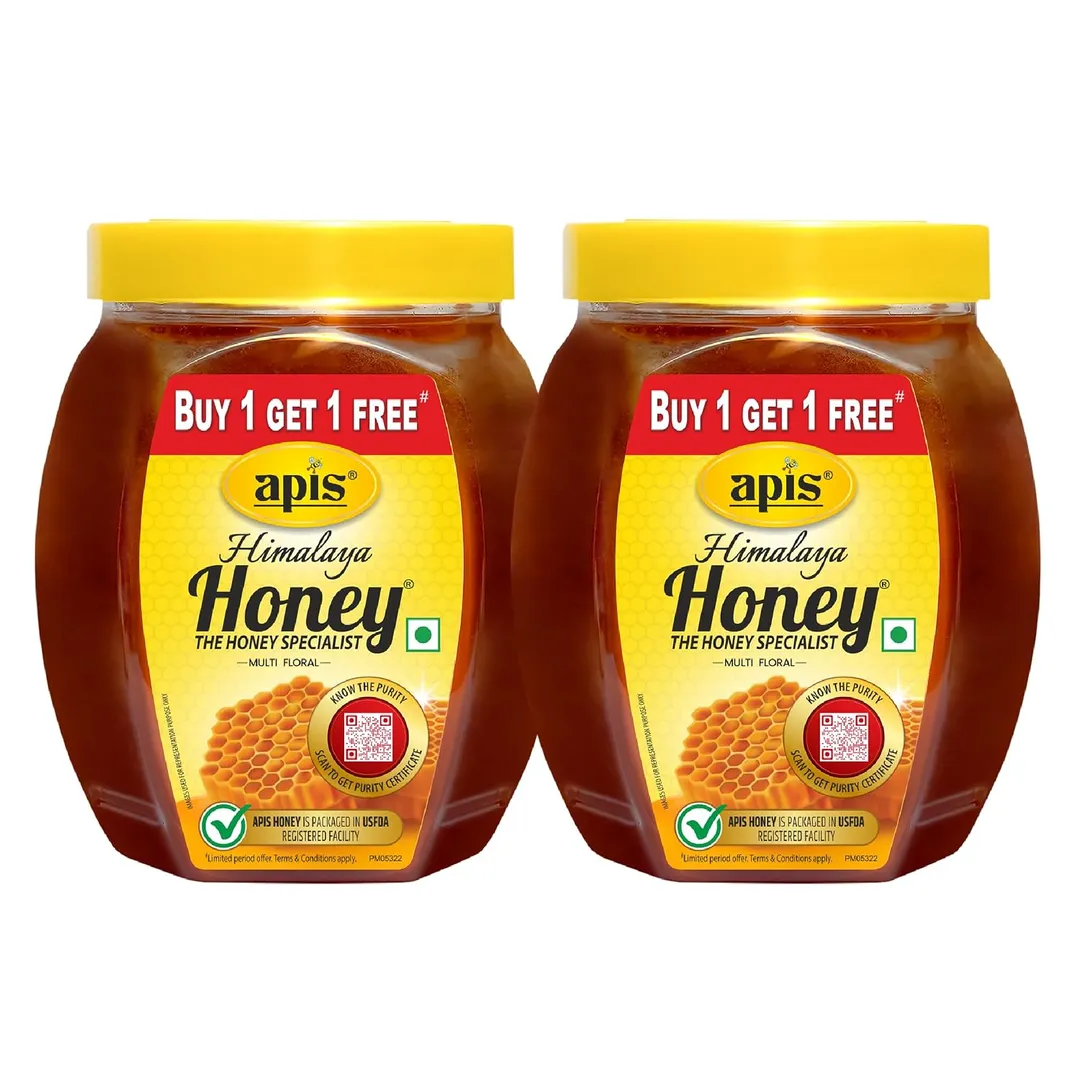
Apis Himalaya Honey
Apis Himalaya Honey is the tasty value pick. It's known for a pleasant, well-rounded flavour and good quality at a friendly price, often in generous jars, which makes it a great choice for households that get through a lot of honey. For everyday use where taste and value both matter, it's a strong, likeable option.
Like other mass-market honeys it's processed rather than raw, so it's not the pick for those wanting unfiltered honey. But for good-tasting, well-priced everyday honey in generous quantities, Apis delivers.
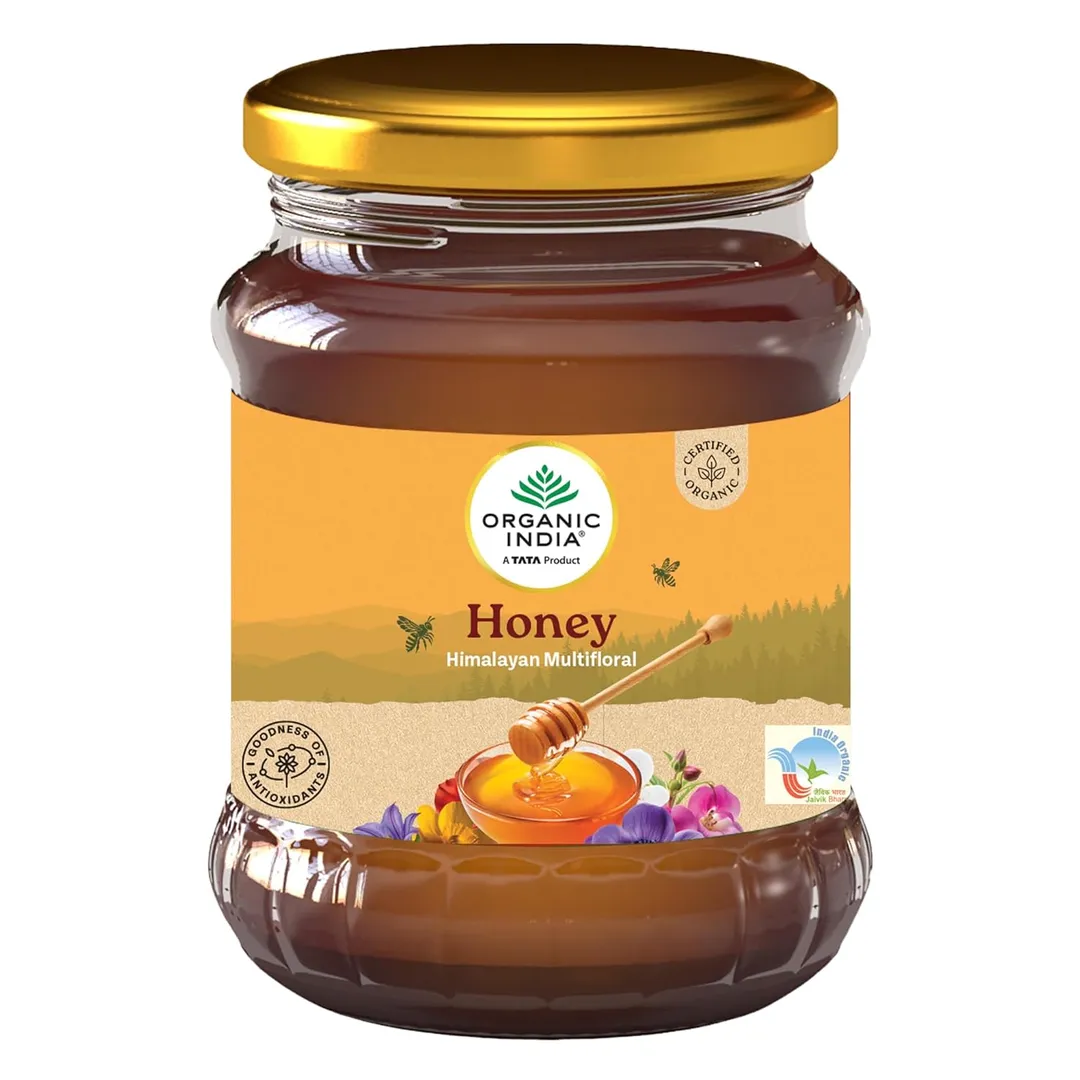
Organic India Honey
Organic India Honey is the certified-organic, raw pick. It's sourced with organic certification and sold as a rawer, more natural honey, so if you want honey closer to its unprocessed state with organic credentials, this is the standout. For health-focused buyers who care about how honey is produced, it's the premium natural choice.
It costs noticeably more than the mass-market brands, and raw honey naturally crystallises over time, which is normal but surprises some. But for genuine organic, raw honey from a trusted natural brand, Organic India is the pick.
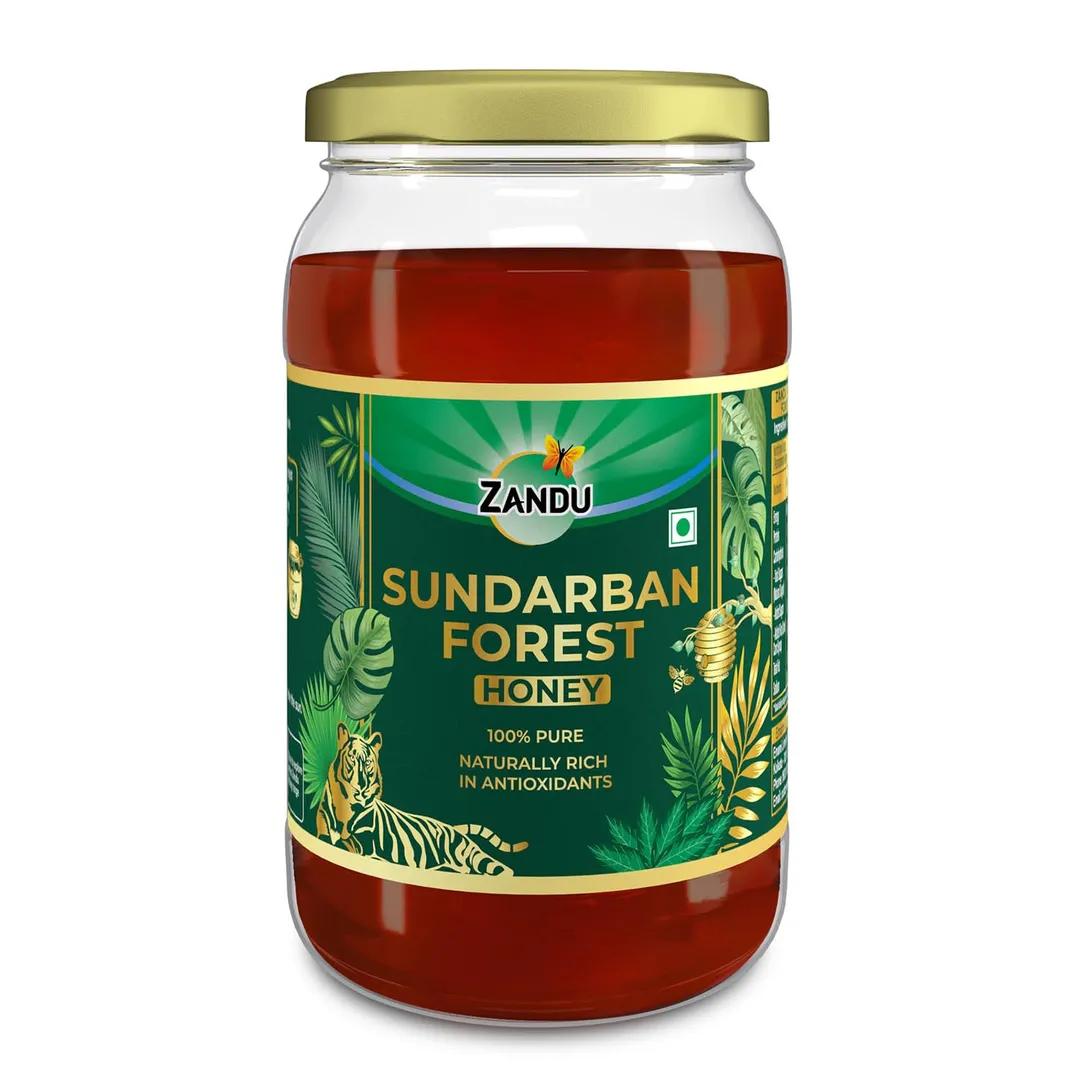
Zandu Pure Honey
Zandu Pure Honey is the reliable pick from a trusted health name. Backed by a long-established Ayurvedic brand, it offers dependable quality and purity for everyday use, with the reassurance of a name people associate with wellness products. For buyers who want trustworthy honey from a familiar health brand, it's a solid choice.
It's a processed everyday honey rather than a raw artisanal one, and it doesn't stand out dramatically on taste. But for dependable, trusted-brand honey for daily use, Zandu is a sensible option.
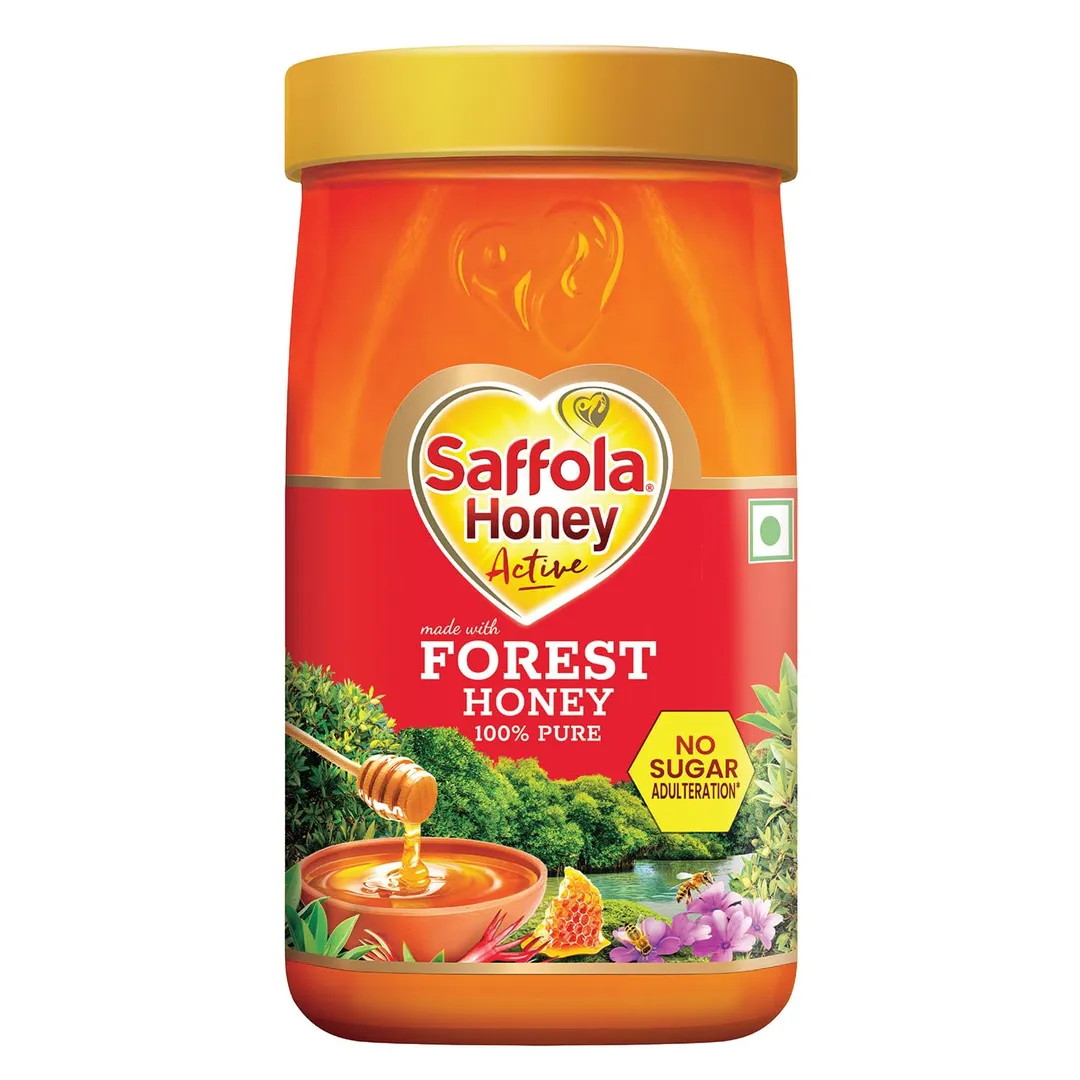
Saffola Honey
Saffola Honey is the pick for health-focused buyers who prize tested purity. From a brand built around healthy eating, it emphasises quality testing and purity, which appeals to anyone worried about the adulteration that plagues cheap honey. For buyers who want reassurance that their honey is genuinely pure, it's a trustworthy choice.
It's priced at a slight premium over the cheapest brands, and it's still a processed honey rather than raw. But for well-tested, purity-focused everyday honey from a health-led brand, Saffola is a reassuring pick.
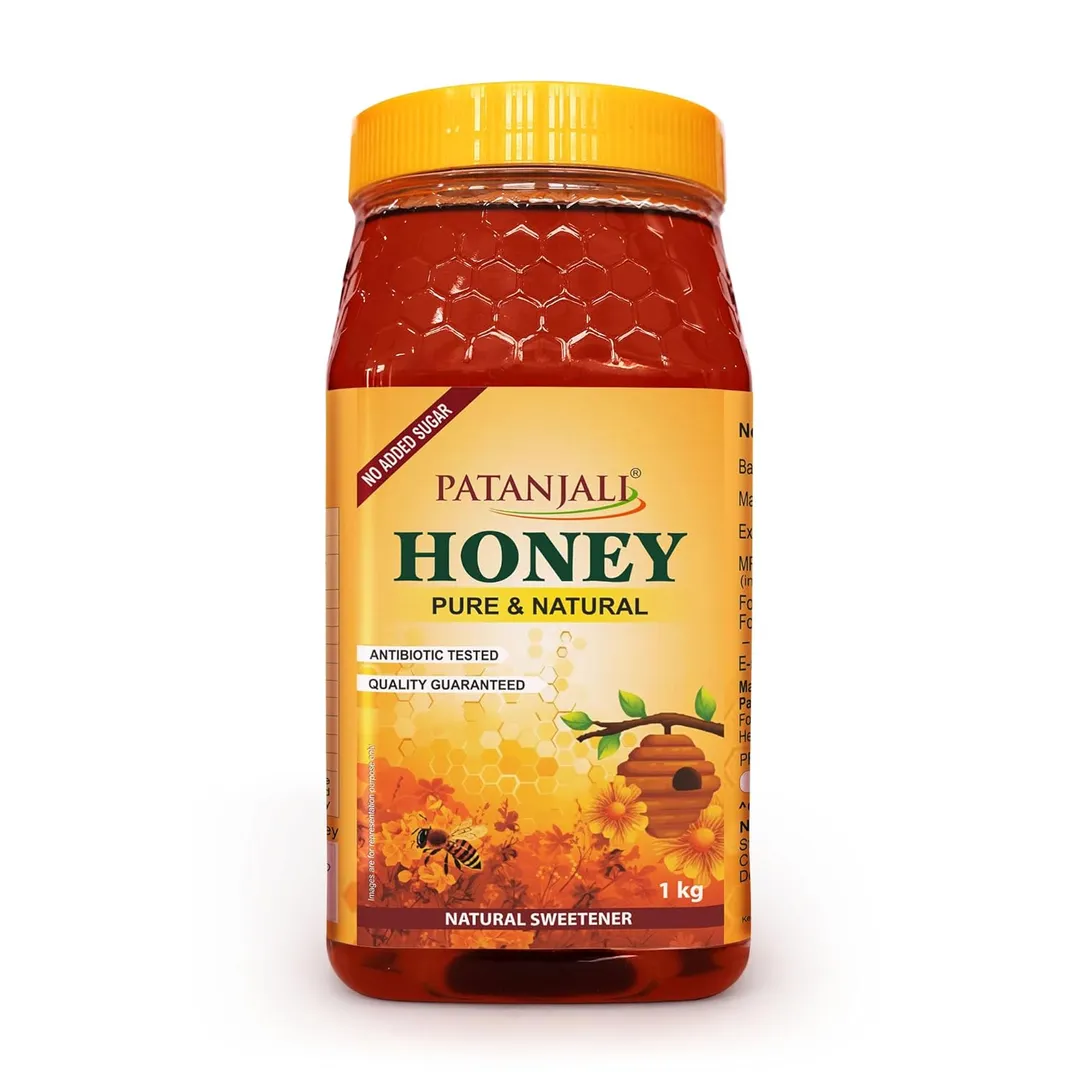
Patanjali Honey
Patanjali Honey is the affordable, widely-available everyday pick. It's cheap, sold across Patanjali's huge retail presence and general stores, and does the job for daily use in drinks and food. For budget-conscious buyers who want dependable everyday honey at a low price, it's an accessible, no-fuss option.
It's a basic mass-market honey rather than a raw or premium one, so it's not for those seeking artisanal quality. But for affordable, accessible everyday honey, Patanjali covers the essentials.
How to choose
Decide first whether you want an everyday processed honey or a raw, organic one, because they serve different purposes. For daily sweetening in tea, cooking, and toast, a consistent mass-market honey like Dabur, Apis, or Patanjali is perfectly good and far cheaper; if you specifically want honey closer to its natural, unfiltered state, pay more for a raw, certified-organic option like Organic India and expect it to crystallise over time, which is a sign of authenticity, not spoilage.
Then buy trusted brands and keep expectations realistic. Honey adulteration is a real problem in India, so sticking to established, tested brands reduces the risk of watered-down or sugar-syrup-laced jars, and checking the label helps. And treat honey as a natural sweetener with modest benefits rather than a cure-all, it's a nicer, more wholesome sugar, not medicine, and it should never be given to babies under one year old.
The verdict
For everyday use, Dabur Honey is the trusted, consistent, everywhere-available default. Choose Apis Himalaya for tasty value, and Organic India if you want genuine raw, certified-organic honey.