Best Camera Phones Under 30000 in India (2026)
Under 30,000 rupees, the Nothing Phone 2a is the camera phone I'd hand most people. Its main camera takes natural, reliable photos in the conditions you actually shoot in, and the clean, bloat-free software means those shots are quick to take and share, which matters more day to day than a spec sheet full of extra lenses you rarely use.
The best pick depends on whether you value zoom, low-light, selfies, or a compact body. All six here take genuinely good photos for the price rather than relying on inflated megapixel claims; I've ranked them on real-world photo quality, low-light performance, and how consistent the results are.
Who should buy
- You care most about the camera when buying a phone in this price range.
- You shoot a lot of everyday photos, people, food, travel, and want them to look good with little effort.
- You want reliable results across daylight, indoors, and casual low light, not just one perfect scenario.
Who shouldn't buy
- You want flagship-level cameras and pro features; those genuinely need a higher budget.
- You barely take photos; you're overpaying for a camera you won't use, so buy for battery or performance instead.
- You need the best possible night and zoom shots; even good mid-rangers compromise there.
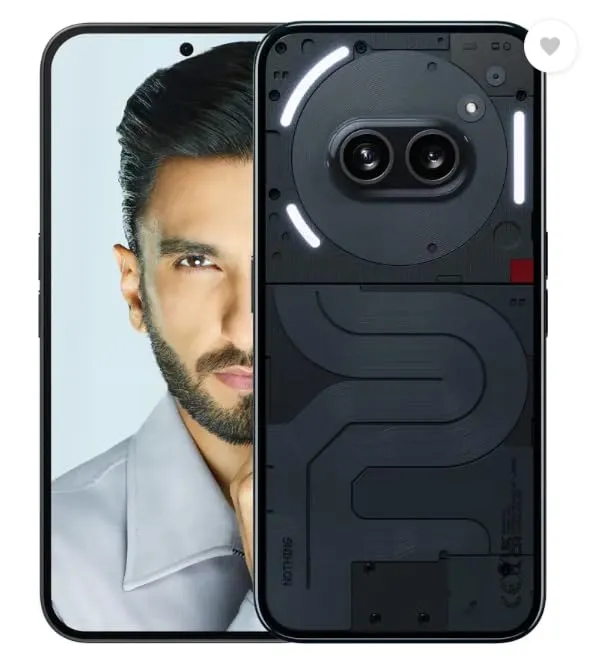
Nothing Phone 2a
The Nothing Phone 2a is the well-rounded camera pick. Its main sensor produces natural, true-to-life colours and handles daylight and indoor scenes reliably, while the clean, near-stock software keeps the camera fast to open and the photos quick to edit and share. Add its distinctive design and smooth performance, and it's the easiest all-round recommendation here.
It leans on two rear cameras rather than a big lens count, so there's no dedicated telephoto for zoom, and very low light is good rather than exceptional. But for consistent, natural everyday photos on a clean phone, the 2a is the balanced choice.
Realme 13 Pro 5G
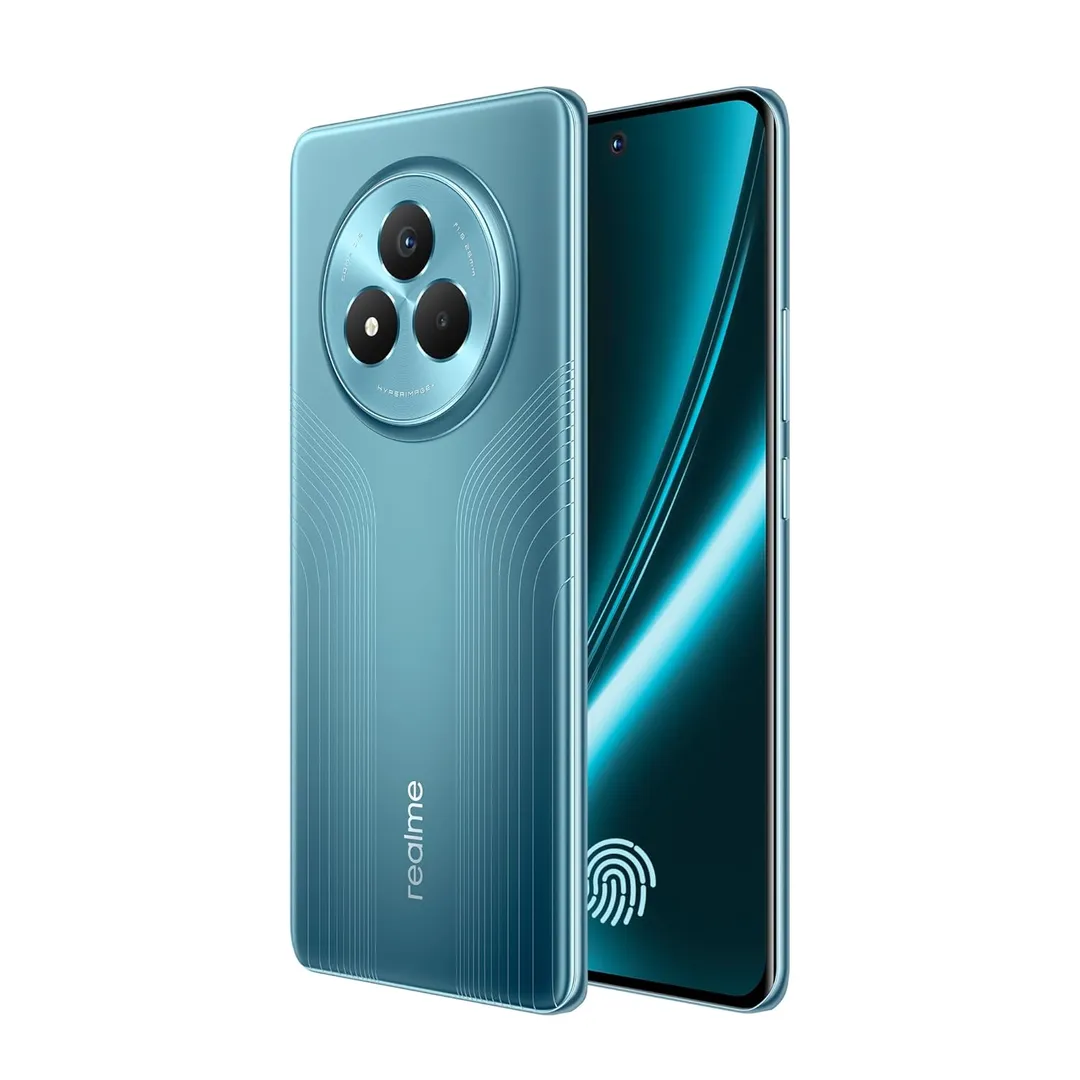
The Realme 13 Pro 5G is the pick if you love zoom and portraits. It pairs its main camera with a genuine telephoto lens, so you get sharper zoomed shots and flattering portrait photos than rivals that fake it digitally. For anyone who shoots a lot of people or likes getting closer without losing detail, that extra lens is a real advantage.
Realme's software carries the usual bloat and ads to clear out, and the ultrawide is ordinary. But if zoom and portrait quality top your list at this price, the 13 Pro's telephoto makes it stand out.
Samsung Galaxy A35 5G
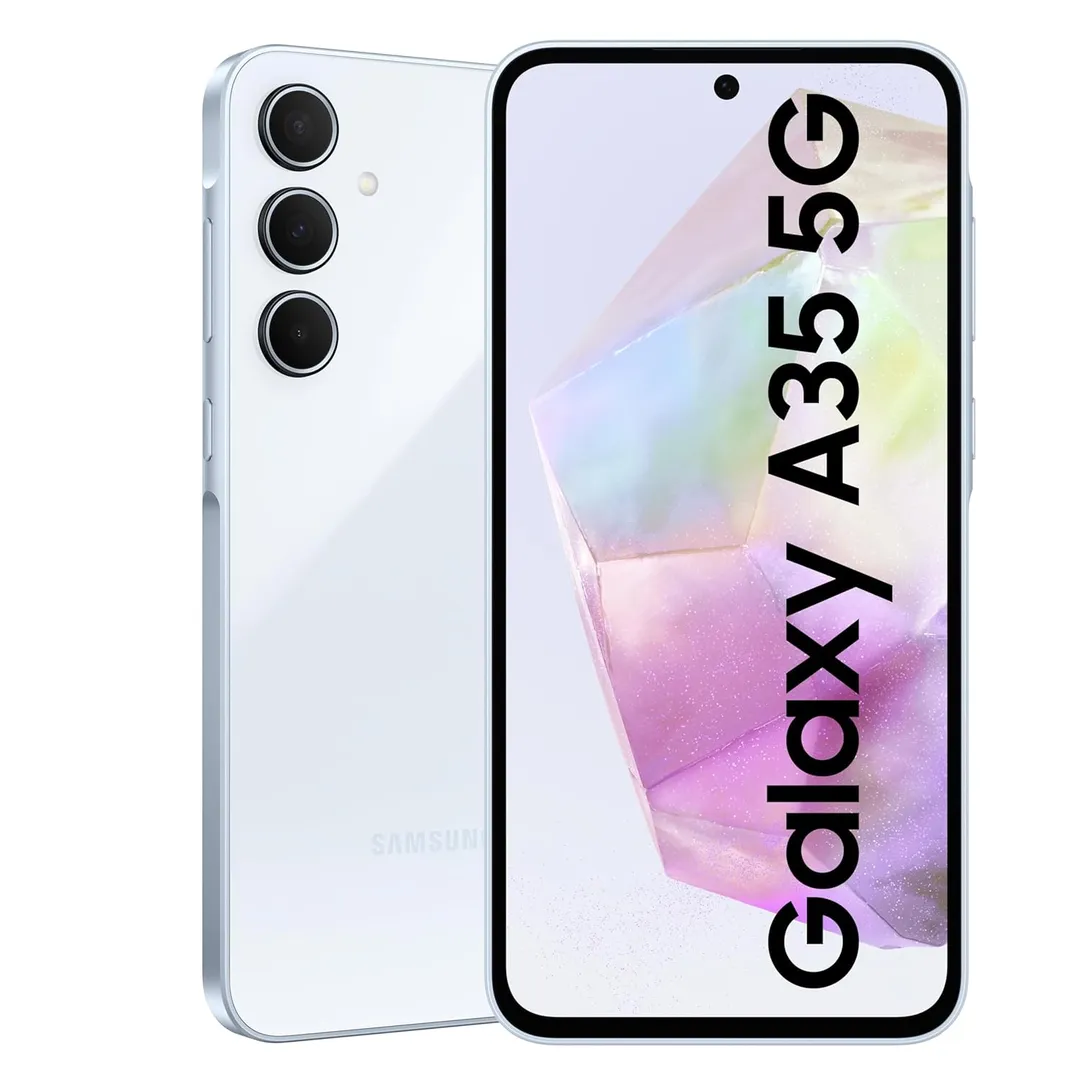
The Samsung Galaxy A35 5G is the consistency-and-support pick. Its cameras produce the pleasing, punchy colours Samsung is known for, results are dependable across conditions, and it promises one of the longest software-update windows in this bracket. If you want a camera phone that stays reliable and supported for years, the A35 is the steady choice.
Its processor is tuned for efficiency over speed, so it's not the fastest here, and low-light shots can soften. But for consistent photos, trustworthy colours, and long-term software support, the A35 is a safe, sensible buy.
Motorola Edge 50 Neo
The Motorola Edge 50 Neo is the compact all-rounder. It packs a versatile, capable camera into a smaller, easy-to-hold body, runs Motorola's clean near-stock software, and takes good photos across everyday scenes. For anyone who wants a proper camera phone that isn't a giant slab, its size-to-capability balance is genuinely appealing.
The smaller body means a smaller battery than the bigger rivals, and Motorola's update pace can lag Samsung's. But for a compact phone that still shoots well and stays clutter-free, the Edge 50 Neo is a lovely pick.
Vivo T3 Pro 5G
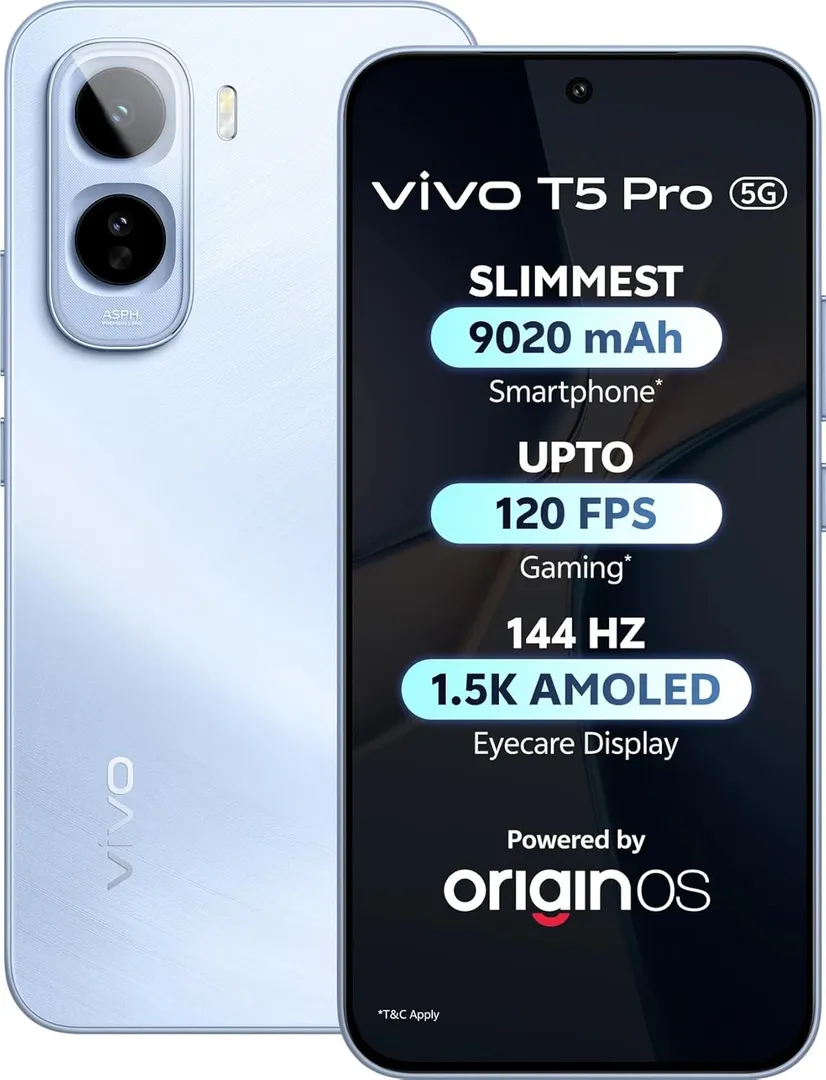
The Vivo T3 Pro 5G leans into low-light and selfies. Vivo tunes its cameras to brighten dim scenes and flatter faces, so night shots come out more usable and selfies look their best, which suits anyone who shoots a lot indoors or of themselves. It's a strong performer where many mid-rangers stumble.
That processing can push colours and skin smoothing further than purists like, and the software has the usual extras to trim. But if low-light shots and great selfies matter most to you, the T3 Pro is tuned exactly for that.
iQOO Z9s Pro 5G
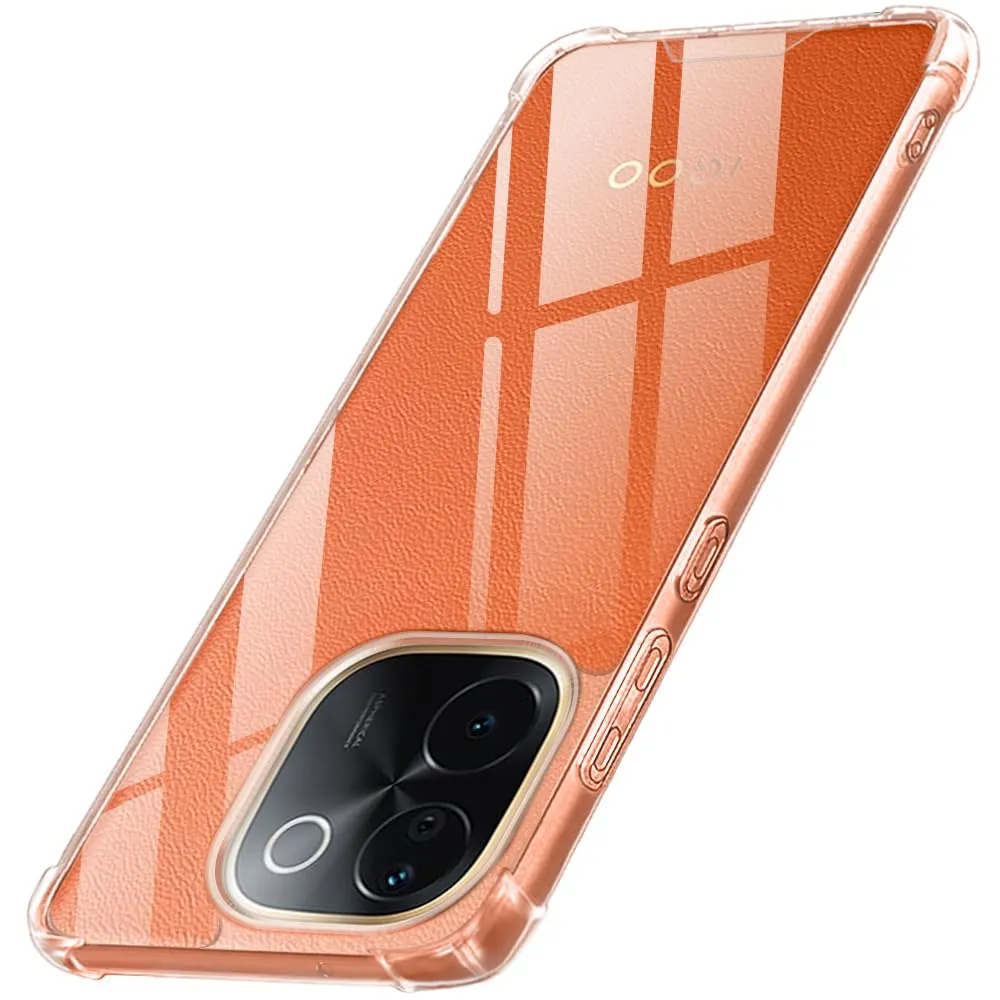
The iQOO Z9s Pro 5G is the value pick with a big sensor. Its large main camera sensor gathers more light for sharper, cleaner photos than smaller sensors manage, and it pairs that with strong overall performance at a keen price. For buyers who want serious camera hardware without paying top rupee, it's a lot of phone for the money.
The secondary cameras are less impressive than the main one, and the software needs the usual declutter. But for a big-sensor main camera and strong value, the Z9s Pro punches above its price.
How to choose
Focus on the main camera and how the phone handles the light you actually shoot in, not the number of lenses. Most extra cameras on mid-range phones are weak ultrawides or gimmicky macros you'll rarely use, so a phone with one excellent main sensor like the iQOO or Nothing beats one with four mediocre ones. If you specifically want zoom, though, buy a phone with a real telephoto like the Realme 13 Pro rather than relying on digital crop.
Then match the phone to what and how you shoot. If you photograph people and want reach, prioritise the telephoto; if you shoot at night or love selfies, Vivo's tuning suits you; if you want reliable, natural results with the least fuss, the Nothing or Samsung deliver consistency. And weigh software too, a clean phone like the Nothing or Motorola is quicker to shoot and share on than one you have to declutter first.
The verdict
Under 30,000, the Nothing Phone 2a is the balanced camera pick with clean software. Choose the Realme 13 Pro 5G if you want the best zoom and portraits, and the Vivo T3 Pro 5G if low-light and selfies matter most.